

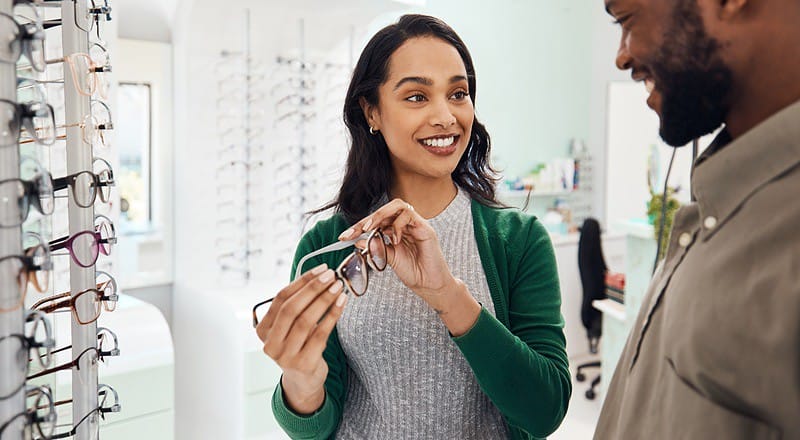
Maintaining sound Eye Care Habits is essential for children, especially as they are active, curious, and always exploring their surroundings. Amid their play and learning, it’s easy for them to forget to take care of their eyes. As parents, it’s essential to instill healthy vision habits in children from a young age to protect their eyesight for the long term.
OpticaNova’s experts emphasize the importance of fostering good vision habits in kids early on. Here’s how you can guide your children toward maintaining good eye health.
Why Is Eye Care Important for Children?
Children’s eyes are still developing, making them more vulnerable to potential issues. Factors such as exposure to digital screens, lack of proper nutrition, and not following good eye care practices can lead to vision problems. Teaching kids adequate eye care habits will not only protect their current vision but also set the foundation for healthy eyesight throughout their lives.Fun and Engaging Ways to Promote Eye Care
Turn Eye Care into a Fun Activity
Kids love to play and engage in fun activities. One way to teach them about eye health is to turn it into a playful learning experience. Here are some ideas:- Create a Colorful Eye Care Chart: Make an eye care chart with pictures of healthy foods, sunglasses, eye exams, and handwashing tips. Stick this chart on the wall of their room as a fun, daily reminder. Use stickers or drawings to make it more appealing. You can even let your child help create it to involve them in the process.
- Play Educational Games: Incorporate games that teach children about eye health. For example, you could have a “Spot the Healthy Foods” game where they identify foods that are good for the eyes, like carrots, spinach, and fish.
- Use Videos and Stories: Kids love watching cartoons and hearing stories. Show them fun videos about eye health or tell stories where the main characters practice good eye care habits. These interactive methods make learning about eye care more enjoyable and memorable.
Set an Example – Be Their Role Model
Children often imitate the actions of adults, especially their parents. By setting a positive example, you can help your child naturally develop healthy eye care habits. Here’s how you can be a role model:- Practice Eye Hygiene: Make a habit of cleaning your eyes daily. Use gentle methods like washing your face and wiping your eyes with a clean cloth. When your child sees you doing this, they will likely start copying you.
- Wear Sunglasses: Wear sunglasses whenever you go outside. Talk to your children about how sunglasses protect your eyes from harmful UV rays. Please encourage them to wear their pair when they go outside to play.
- Limit Your Own Screen Time: If you practice screen time management, your children will learn to do the same. Explain to them why it’s essential to take breaks from screens to avoid eye strain.
Scheduling Regular Eye Check-ups
Why Are Eye Exams Important?
Children’s eyes grow and change rapidly, and regular eye exams help identify any vision problems early on. Early detection of issues like nearsightedness, farsightedness, or astigmatism can prevent these conditions from worsening and allow for prompt treatment.Take Your Child to Regular Eye Exams
Make eye exams a part of your child’s healthcare routine. Explain to your child why visiting the optometrist is essential for their eye health. This experience will teach them the importance of taking care of their eyes. Here’s what you can do:- Prepare Them for the Visit: Before the eye exam, talk to your child about what will happen during the visit. Let them know that the doctor will check how well they can see different things and that it’s all to keep their eyes healthy.
- Choose a Friendly Optometrist: Find an eye specialist who is good with children and can make the visit fun and informative. When kids have a positive experience, they’ll be more likely to value their eye health in the future.
Encourage a Healthy Diet for Better Vision
What Foods Promote Eye Health?
Maintaining healthy eyes requires a balanced diet, especially for children. Foods that are high in minerals, vitamins and omega-3 fatty acids are essential to preserving and safeguarding eye health. Here are some eye-friendly foods you should include in their diet:- Leafy Green Vegetables: Spinach, kale, and other leafy greens are rich in lutein and zeaxanthin, nutrients that protect the eyes from harmful light exposure and reduce the risk of cataracts.
- Carrots and Sweet Potatoes are high in beta-carotene, a type of vitamin A that helps keep the eyes moist and improves night vision.
- Fish: Fish like salmon and tuna are reliable sources of omega-3 fatty acids, which support maintaining retinal health and lower the likelihood of developing dry eyes.
- Citrus Fruits: Fruits such as strawberries, kiwis, and pineapples are excellent sources of vitamin C, which assists eye health and may help reduce the risk of age-related vision problems.
Making Healthy Eating Fun
Encourage your child to eat eye-friendly foods by making meals fun and engaging:- Create Colorful Plates: Serve a variety of colourful fruits and vegetables on their plate. Could you explain how each colour contributes to their eye health?
- Cooking Together: Involve your child in preparing meals. Let them help you make a salad or cook a vegetable stir-fry. While cooking, please talk about the ingredients’ benefits for their eyes.
- Reduce Junk Food: Limit the intake of junk food, which often lacks the nutrients needed for eye health. Explain to your child that healthy foods are like “superheroes” for their eyes, helping them see better and stay strong.
Managing Screen Time for Healthy Vision
Teach the 20-20-20 Rule
Children today are exposed to digital screens from a young age. Excessive screen use can cause digital eye fatigue, resulting in symptoms like dry eyes and headaches. Encourage your kids to follow the 20-20-20 guideline: every twenty minutes, take a twenty-second break and look at something twenty feet away to give their eyes a rest. This easy practice can help alleviate eye strain.Tips to Reduce Screen Time
- Set Screen Time Limits: Create a daily screen schedule that includes breaks and activities away from screens.
- Encourage Outdoor Play: Promote outdoor activities to give their eyes a break from screens. Natural light is also beneficial for eye health.
- Provide Blue Light-Blocking Glasses: If your child spends time on digital devices, think about offering blue light-blocking glasses to safeguard their eyes from the potential damage caused by prolonged screen use.